Everything You Need to Know About EAS Tags
What’s an EAS?
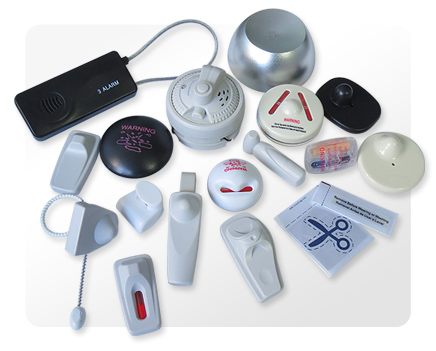 Before we move on to the tags, let us first define what EAS means. EAS stands for electronic article surveillance. They are systems designed to help retailers and anyone else who needs to secure and keep track of merchandise and other assets do just that using various technologies like RF, magnetism, acoustics and even microwave.
What’s an EAS tag?
An EAS tag is one of the three basic components of an EAS system. It is essentially a security device that is attached to a product or any other similar asset to make it constantly visible to a reader and an antenna (the other two components of the system) and ultimately prevent theft.
In most cases, alarms are triggered whenever anyone tries to bring unpaid tagged merchandise out of a store or forcefully removes a tag from a product.
What kinds of EAS tags are available?
There are two basic categories of EAS tags: active and passive. Simply put, active tags have a built-in power source and are designed to withstand extreme conditions and possess over 100 meters of read range, while passive ones rely on readers and antennas for power to work and have a much smaller read range (up to six meters maximum).
In terms of physical design, however, a tag can come in so many different forms. It can be a hard tag, a sticker, a label, a cable, a hang tag or even a sewn-in piece of cloth. Some are small and practically invisible, while others are big enough to act as a deterrent for would-be shoplifters.
How do they work?
Active EAS tags constantly send out signals to the antennas and readers in fixed time intervals. Passive ones, on the other hand, wait until they receive a request from an antenna and a reader before they can send a signal back. They wouldn’t be able to function otherwise because they work by converting the electronic requests they receive the power that they need to generate and send out a signal of their own.
In either case, the signal the tags send out contain various types of information that the reader then interprets or sends to a data analytics software.
How much do they cost?
In general, active tags cost so much more than their passive counterparts. You can get them for anywhere between $20 and $100 per piece, while passive ones typically cost less than $1.
Why the big price difference? Well, active tags are designed to withstand much harsher working conditions and are able to transmit more information to a wider read zone than passive ones. This is why they are more popular in heavy industries like mining, logistics, gas and oil.
Does this mean you should count passive tags out? Of course not. While active tags may have the advantage in some industries, passive tags are still more cost-effective solution in industries like retail, payment processing and manufacturing.
So, which one should I use?
At the end of the day, it all depends on your needs and budget. But regardless of the option you go for, the bottom line is that EAS tags are a great way to secure your products and other similar assets.

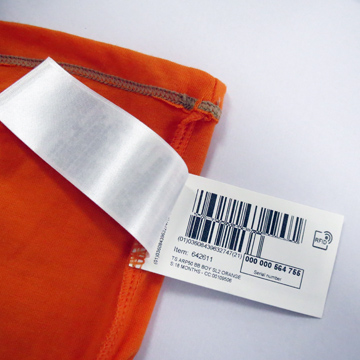 Active RFID EAS systems use tags that have their own power source. This enables them to emit a signal of their own, possess impressive read ranges and have massive storage capabilities. The batteries typically last anywhere between three and five years, but when they finally run out of juice, the whole RFID tag will have to be replaced.
 A passive RFID EAS system has three basic components: an RFID interrogator or reader, an RFID antenna, and, of course, an RFID tag. It’s practically the same as any other EAS system that uses some form of electronic tags.
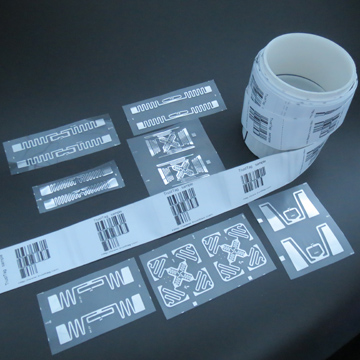 Let’s begin by understanding the different radio frequencies typically used in electronic article surveillance EAS systems: low frequency (LF), high frequency (HF) and ultra-high frequency (UHF). The primary difference between the three is the speed by which the sound waves travel. Simply put, the higher the frequency, the faster the waves move – which brings us to the first advantage of using UHF RFID tags:
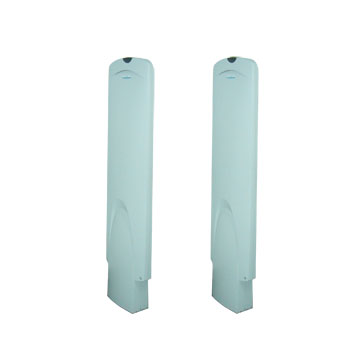 Effective retail security does not require complex plans and highly advanced technologies. A simple strategy that that involves three basic elements is usually enough to get the job done. Let’s take a look:
 Clothing stores seem to be among the top targets of shoplifters. Let’s take a look at the most common reasons behind this and how you can address them below:
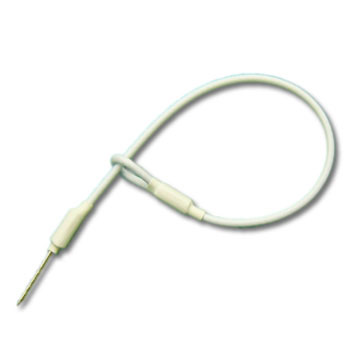 They may seem like simple cables designed to lock your merchandise in place, but they actually do so much more. Let’s take a look at how such an unassuming security device can help you significantly boost your profits:
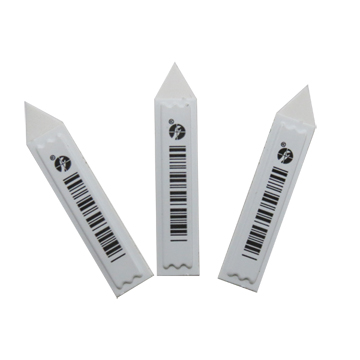 You probably already know that electronic article surveillance (EAS) systems typically involve the use of electronic and/or magnetic security tags. But did you know that there is more than one kind available? Let’s take a look at five of the most common ones below:
 Magnetic security tags are a popular theft-prevention solution among retailers because they’re not only highly effective, they also don’t cost too much to implement. But before you jump on the tagging bandwagon, be sure to do some research first so you can pick the best option for your store.